



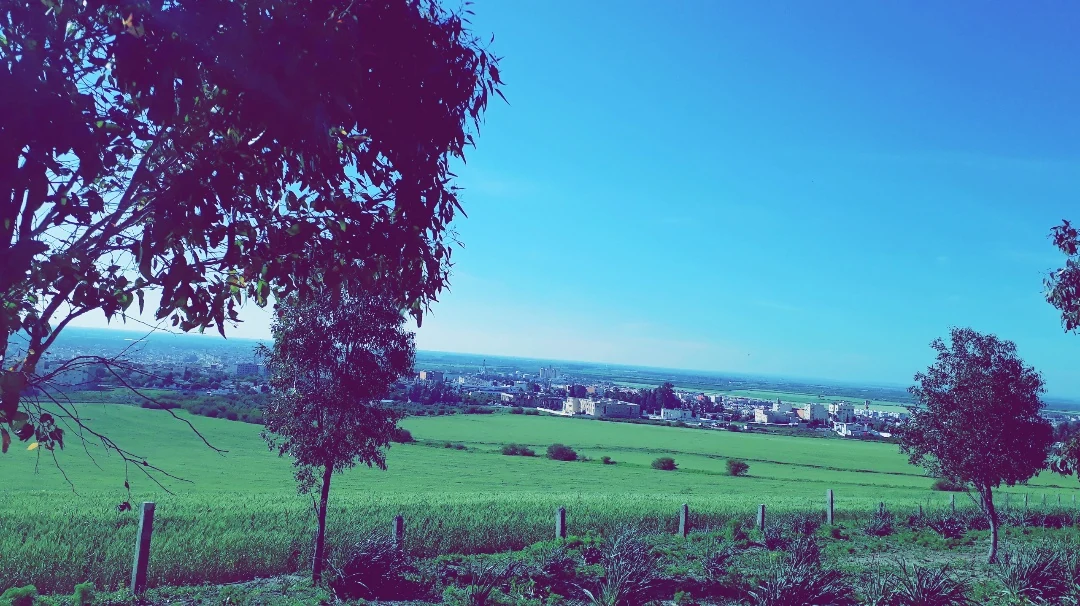
Sidi Kacem is an inland city in northwestern Morocco, within the Rabat–Salé–Kénitra region. It offers a useful stop for travelers interested in agricultural landscapes, everyday town life, and the heritage of the surrounding region.
A visit can combine a walk through the center, lunch, and an excursion into the wider countryside. Depending on your route, you can also include archaeological sites such as Banasa or continue toward Meknes and Volubilis.
This guide explains what to expect, how to organize your transport, and how much time to allow.
Where Is Sidi Kacem?
Sidi Kacem lies west of Meknes and Fes, in the agricultural hinterland of northwestern Morocco.
The city belongs to a wider province with the same name. This distinction matters when planning: an attraction described as being in the Sidi Kacem area may require a separate drive from the city.
Regional tourism material highlights the province’s fertile land and production of cereals, fruit, vegetables, and other crops. Agriculture provides important context for understanding the surrounding landscape.
Check the precise location of each place you want to visit before choosing your overnight stop or arranging a driver.
A Brief Historical Note
Older records may refer to the city as Petit-Jean. Morocco’s High Commission for Planning lists this former name alongside Sidi Kacem in its historical publications.
Knowing the earlier name can help when reading historical accounts or looking at older maps.
For a present-day visit, focus on the town, its rural surroundings, and the archaeological heritage accessible within the wider region.
Things to Do in Sidi Kacem
Walk Through the Town Center
Set aside time for an unhurried walk, browse local shops, and stop at a café.
A simple visit built around walking and lunch can fit comfortably into a longer journey. If you arrive by train, establish how you will travel between the station, your accommodation, and any meeting point.
Ask before taking close photographs of people or their businesses, particularly when browsing market stalls.
Explore the Agricultural Surroundings
The regional tourism council presents Sidi Kacem as a destination closely connected to farming and rural heritage. Its countryside includes cultivated plains associated with the Sebou basin.
If rural scenery interests you, discuss a countryside route with a local driver. Choose suitable stopping places and ask permission before entering fields, orchards, or private agricultural properties.
The appearance of the countryside changes with rainfall, planting, and harvest periods, so avoid planning around photographs taken in a different season.
Plan a Market Visit
If visiting a market is important to your trip, ask locally about its exact location and trading day.
Allow time to browse rather than treating the visit as a quick photograph stop. Confirm prices before buying, carry suitable change, and check how food or fragile purchases will travel with you.
Our guide to Moroccan currency and money exchange explains useful payment considerations.
Stop for a Moroccan Meal
The regional tourism directory lists La Kasbah in Sidi Kacem for Moroccan cooking, including tagines, grilled dishes, and couscous. It also lists Villa Crystal, which offers a broader menu combining Moroccan and international options.
Use these as starting points when choosing where to eat. Check current opening hours, menus, and prices, especially if you have dietary requirements.
For an introduction to one of the dishes you may encounter, read our guide to Moroccan tagine.
Places to Combine With Your Visit
Banasa Archaeological Site
Banasa adds an archaeological focus to a journey through the wider Gharb region.
The regional tourism council highlights this ancient site for its Roman remains and the opportunity to understand the layout of an earlier settlement. It is a separate excursion requiring transport arrangements.
Before traveling, confirm access, visiting arrangements, and the return journey. Bring water and sun protection for time spent outdoors.
Volubilis
Volubilis is another option for travelers interested in ancient history. This UNESCO World Heritage site preserves substantial remains of a city that became an important Roman outpost.
Allow enough time to walk around the archaeological site rather than adding it as a brief roadside stop.
Plan the journey using the actual road route from your accommodation, particularly if combining it with another destination.
Moulay Idriss Zerhoun
Moulay Idriss Zerhoun can be paired with Volubilis. The town occupies a hillside setting around the sanctuary associated with Idriss I.
A visit can include walking through public streets and enjoying viewpoints. Respect religious spaces and check access before entering any building.
Meknes
Meknes suits travelers who want to continue toward an imperial city. Its heritage includes the medina, Bab Mansour, and monuments associated with Moulay Ismail.
Give Meknes its own sightseeing time. Trying to cover the city, Volubilis, Banasa, and Sidi Kacem in one day would leave little room for exploring.
How to Get to Sidi Kacem
By Train
Sidi Kacem appears on ONCF’s railway network, making train travel an option to investigate when planning your journey.
Use the official ONCF journey planner and enter your departure station, destination, and travel date.
Check:
- Whether the journey is direct or requires a change.
- Departure and arrival times.
- Ticket conditions and travel class.
- Your onward transport from the station.
Use the timetable for your actual date rather than relying on an older schedule.
By Car or Private Driver
A car or private driver offers flexibility for countryside stops and archaeological excursions.
Agree on the full route, waiting time, pickup location, and final destination before confirming the service. For regional visits, specify each site rather than requesting a general “Sidi Kacem tour.”
If arranging local taxi transport, our guide to taking taxis in Morocco explains useful details to confirm.
How Long Should You Stay?
For a town-center walk and a meal, a few hours may suit your plans.
Allow a full day if adding a countryside outing or archaeological excursion, and check the road travel involved before combining stops.
An overnight stay can be useful when visiting family, arriving late, or exploring the wider province. Choose accommodation according to its exact location and your next day’s journey.
Practical Planning Tips
Keep your visit focused on the experiences that interest you most.
- Confirm market days and site access locally.
- Check the weather before countryside excursions.
- Carry water for outdoor visits.
- Keep some cash available for smaller purchases.
- Arrange return transport before heading to an outlying site.
- Allow time between sightseeing and a booked train departure.
If your holiday continues through Fes toward the Middle Atlas and Sahara, explore our tours from Fes and discuss how the different parts of your journey fit together.
Frequently Asked Questions
Is Sidi Kacem Worth Visiting?
It can suit travelers interested in regional town life, agricultural scenery, or visiting people in the area. For a leisure itinerary, consider a focused stop combined with places that match your interests.
Is Sidi Kacem on the Coast?
The city covered by this guide is inland, in northwestern Morocco.
Does Sidi Kacem Have a Train Station?
Yes. Check ONCF’s current journey planner for services, connections, and ticket availability on your travel date.
Are Banasa and Volubilis Inside the City?
No. Both require separate travel arrangements. Check their locations and journey times before building your itinerary.
Plan Your Morocco Journey
Share your travel dates, departure city, and the places you want to explore with Unique Desert Tour. If Sidi Kacem is important to your trip, mention it when requesting your itinerary so we can account for the route and time needed.